Why Korea is a Must-Visit Destination for Foreigners
Korea has rapidly emerged as a global travel hotspot, captivating visitors with its unique blend of ancient traditions and cutting-edge modernity. From the neon-lit streets of Seoul to the tranquil beauty of its natural landscapes, Korea offers an incredibly diverse range of experiences that appeal to a wide array of travelers. Its rich history, vibrant culture, delicious cuisine, and friendly locals all contribute to making it an exceptionally rewarding destination.
For foreigners, Korea presents an exciting opportunity to immerse themselves in a culture that is both distinct and increasingly influential worldwide, thanks to the global phenomenon of K-pop and K-dramas. The country boasts excellent infrastructure, making travel within its borders smooth and convenient, even for those who don’t speak Korean. Safety is another significant draw, with Korea consistently ranking as one of the safest countries in the world.
This guide is designed to help international travelers navigate the wealth of options and discover the most recommended destinations that promise an unforgettable Korean adventure. We’ll explore cities brimming with energy, historical gems whispering tales of the past, and natural wonders that will leave you breathless.

Seoul: The Dynamic Heartbeat of South Korea
Seoul, the capital city, is an absolute must-visit for any foreigner exploring Korea. It’s a sprawling metropolis where ancient palaces stand proudly amidst towering skyscrapers, and traditional markets buzz with life just a stone’s throw from high-fashion shopping districts.
Palaces and History: A Glimpse into Korea’s Royal Past
No trip to Seoul is complete without visiting its magnificent royal palaces.
- Gyeongbokgung Palace: This is the largest and arguably the most beautiful of Seoul’s five grand palaces. Built in 1395, it was the main royal palace of the Joseon Dynasty. Spend a few hours exploring its vast grounds, admiring the intricate architecture, and perhaps even witnessing the Royal Guard Changing Ceremony. Renting a hanbok (traditional Korean attire) nearby can grant you free entry and make for fantastic photo opportunities.
- Changdeokgung Palace and Huwon (Secret Garden): A UNESCO World Heritage site, Changdeokgung is renowned for its harmonious integration with the surrounding natural landscape. The Huwon, or Secret Garden, is particularly stunning, offering a tranquil escape with its ponds, pavilions, and ancient trees. Guided tours are highly recommended to fully appreciate its beauty and history.
- Changgyeonggung Palace: Adjacent to Changdeokgung, this palace has a more complex history, having been used as a royal residence and later as a park. It offers a quieter, more contemplative experience.
- Deoksugung Palace: Unique for its blend of traditional Korean and Western-style buildings, Deoksugung offers a fascinating architectural contrast. The changing of the royal guard ceremony here is also a popular attraction.
- Gyeonghuigung Palace: Once a major palace, Gyeonghuigung was largely destroyed during the Japanese colonial period and has since been partially restored.
Modern Marvels and Cultural Hubs
Beyond its historical sites, Seoul is a beacon of modernity and pop culture.
- Myeongdong: This is Seoul’s premier shopping district, famous for its endless rows of cosmetic shops, fashion boutiques, and department stores. At night, it transforms into a vibrant street food paradise.
- Gangnam: Made famous by PSY’s hit song, Gangnam is an affluent district known for its upscale shopping, trendy cafes, entertainment venues, and K-pop entertainment companies. It’s a great place to experience Seoul’s contemporary lifestyle.
- Hongdae: Centered around Hongik University, this area is a hub for youth culture, indie music, street art, and unique fashion. The energetic atmosphere, street performances, and quirky shops make it a must-visit for experiencing Seoul’s youthful spirit.
- Itaewon: Known for its international atmosphere, Itaewon offers a diverse range of international cuisine, unique shops, and a lively nightlife. It’s a popular spot for foreigners and locals alike.
- Bukchon Hanok Village: Wander through the narrow alleys of this traditional village, where hundreds of hanok (traditional Korean houses) are still inhabited. It offers picturesque views and a glimpse into traditional Korean living.
- Insadong: This charming neighborhood is dedicated to traditional Korean culture. You’ll find art galleries, tea houses, craft shops selling traditional goods, and restaurants serving authentic Korean food. It’s the perfect place to find unique souvenirs.
Views and Relaxation
- N Seoul Tower (Namsan Tower): Perched atop Namsan Mountain, the N Seoul Tower offers panoramic views of the city. It’s particularly magical at sunset and night. You can hike up or take a cable car.
- Han River Parks: The Han River runs through Seoul, and its banks are lined with numerous parks (e.g., Yeouido Hangang Park, Banpo Hangang Park). These are popular spots for picnics, cycling, and enjoying the cityscape, especially during warmer months. Banpo’s Moonlight Rainbow Fountain show is a highlight.
Getting Around Seoul: Seoul has an incredibly efficient and extensive subway system, making it easy for foreigners to navigate. Taxis are also readily available, and ride-sharing apps are usable.
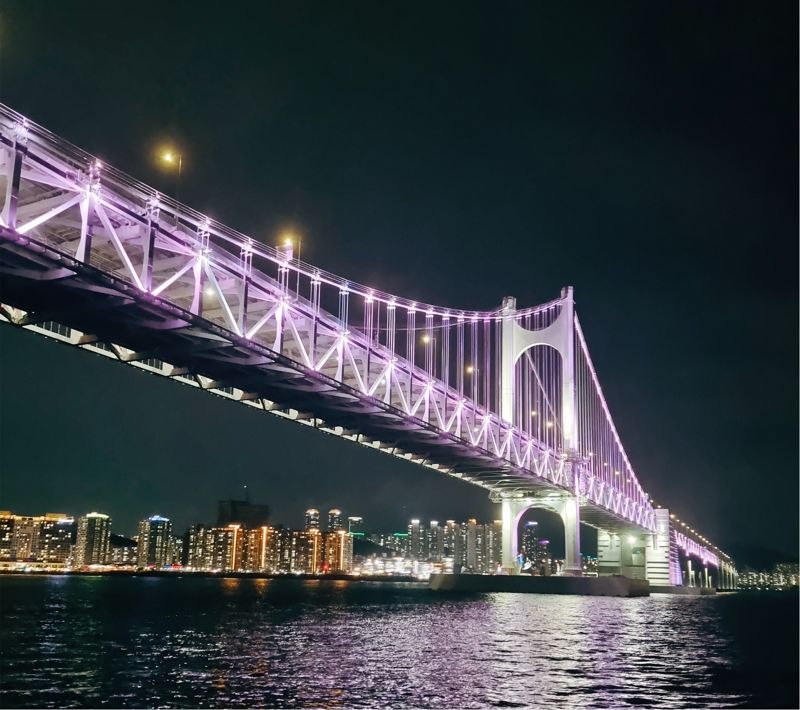
Busan: Coastal Charm and Vibrant Culture
Busan, South Korea’s second-largest city, offers a refreshing coastal vibe distinct from the bustling capital. It’s a city where mountains meet the sea, boasting beautiful beaches, fresh seafood, and a more relaxed pace of life.
Beaches and Coastal Attractions
- Haeundae Beach: This is perhaps Korea’s most famous beach, known for its wide sandy shore, clear waters, and lively atmosphere. It’s surrounded by high-rise hotels, restaurants, and cafes.
- Gwangalli Beach: Famous for its stunning view of the Gwangan Bridge, especially at night when it’s illuminated, Gwangalli offers a more bohemian and artistic vibe than Haeundae. It’s lined with numerous cafes and restaurants.
- Taejongdae Park: Located on the southernmost tip of the mainland, Taejongdae is a scenic coastal park with dramatic cliffs, a lighthouse, and walking trails offering breathtaking ocean views.
Unique Neighborhoods and Markets
- Gamcheon Culture Village: Often called the “Machu Picchu of Busan,” this vibrant village is built in a staircase-like fashion on the hillside. Its colorful houses, narrow alleys, art installations, and quirky cafes create a unique and photogenic landscape.
- Jagalchi Fish Market: Korea’s largest seafood market, Jagalchi is a sensory overload. You can see an incredible variety of fresh and dried seafood, and many stalls offer to prepare your catch right there for you to enjoy.
- BIFF Square: Originally the site of the Busan International Film Festival (BIFF), this area is now a bustling street famous for its street food, especially Ssiat Hotteok (a sweet pancake filled with seeds and brown sugar).
- Nampo-dong: This central shopping district is adjacent to BIFF Square and Jagalchi Market, offering a mix of international brands, local shops, and street vendors.
Temples and Nature
- Beomeosa Temple: One of Korea’s largest and most important temples, Beomeosa is nestled on the slopes of Mt. Geumjeongsan. It’s a beautiful example of traditional Korean temple architecture and offers a peaceful retreat.
- Haedong Yonggungsa Temple: A rare and stunning seaside temple, Haedong Yonggungsa is perched on the rocks overlooking the East Sea. The sound of the waves crashing against the shore adds to its mystical ambiance.
Getting Around Busan: Busan also has an efficient subway system that connects major areas. Buses are a good option for reaching areas not covered by the subway, and taxis are plentiful.
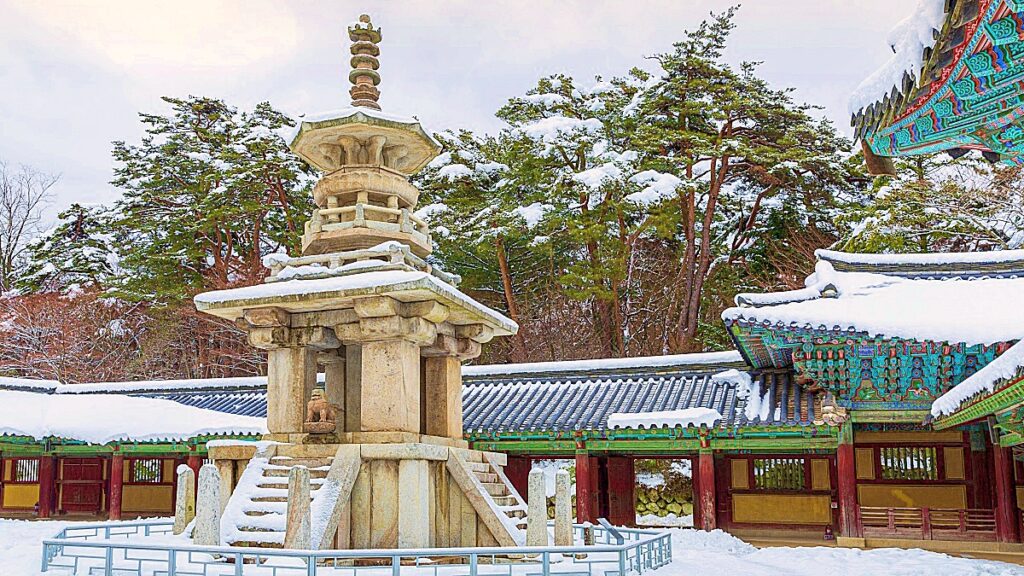
Gyeongju: The “Museum Without Walls”
For history buffs, Gyeongju is an unmissable destination. This ancient capital of the Silla Kingdom (57 BC – 935 AD) is dotted with historical sites, temples, and royal tombs, earning it the nickname “Museum Without Walls.”
UNESCO World Heritage Sites
- Gyeongju Historic Areas: This UNESCO World Heritage site encompasses several key locations:
- Bulguksa Temple: One of Korea’s most significant Buddhist temples, Bulguksa is a masterpiece of Silla-era Buddhist art and architecture. Its stone pagodas and intricate carvings are particularly noteworthy.
- Seokguram Grotto: Located above Bulguksa, this artificial grotto houses a monumental statue of the Buddha, considered one of the finest examples of Buddhist sculpture in East Asia.
- Tumuli Park (Daereungwon): This park features large, grass-covered burial mounds from the Silla period. The most famous tomb, Cheonmachong (Heavenly Horse Tomb), has been excavated and allows visitors to see artifacts discovered inside.
- Donggung Palace and Wolji Pond (Anapji Pond): This was a secondary palace site used by the Silla monarchy. The reconstructed palace buildings and the picturesque pond, especially when illuminated at night, are incredibly beautiful.
- Cheomseongdae Observatory: The oldest existing astronomical observatory in East Asia, built in the 7th century. Its unique design is iconic.
Other Historical Attractions
- Gyeongju National Museum: Houses a vast collection of Silla artifacts, including gold crowns, pottery, and Buddhist art, providing crucial context to the historical sites scattered around the city.
- Namsan Mountain: This mountain is considered sacred by the Silla people and is home to hundreds of Buddhist statues, temples, and pagodas, many of which are still in ruins. Hiking trails offer a chance to discover these hidden treasures.
Getting Around Gyeongju: Gyeongju is relatively spread out. Renting a bicycle is a popular and enjoyable way to explore the central historic areas. Buses and taxis are also available for longer distances.
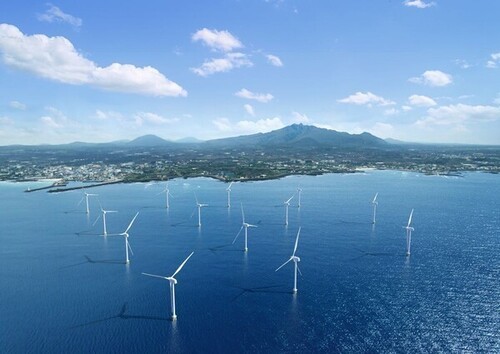
Jeju Island: The Island of the Gods
Jeju Island, a volcanic island off the southern coast, is a UNESCO World Natural Heritage site and a beloved honeymoon and vacation destination for Koreans and increasingly, foreigners. It’s famed for its stunning natural landscapes, unique culture, and mild climate.
Natural Wonders
- Hallasan National Park: Home to South Korea’s highest peak, Hallasan Mountain, an extinct volcano. Hiking trails range from easy walks to challenging summit climbs, offering incredible views and diverse flora and fauna.
- Seongsan Ilchulbong (Sunrise Peak): This dramatic tuff cone rose from the sea thousands of years ago and offers spectacular sunrise views. It’s a UNESCO World Heritage site and a popular spot for hiking.
- Manjanggul Cave: One of the longest lava tubes in the world, Manjanggul Cave is a fascinating geological wonder. Walking through the cave, you can see various lava formations, including stalactites and stalagmites.
- Jeongbang Waterfall and Cheonjiyeon Waterfall: These are two of Jeju’s most beautiful waterfalls, cascading directly into the ocean or into picturesque ponds.
- Beaches: Jeju boasts numerous beautiful beaches, such as Hyeopjae Beach (known for its white sand and clear turquoise water) and Jungmun Saekdal Beach (popular for surfing).
Unique Jeju Culture and Attractions
- Jeju Folk Village: A living museum showcasing traditional Jeju houses, lifestyle, and culture.
- Olle Trails: A network of scenic walking paths that wind around the island, offering a chance to experience Jeju’s natural beauty up close, from coastal routes to forest paths.
- Haenyeo (Female Divers): Jeju’s famous female divers are a symbol of the island’s unique matriarchal culture. Visiting a museum dedicated to them or witnessing their work (if possible) offers insight into their incredible lives.
- Camellia Hills and Green Tea Fields: Beautiful botanical gardens and sprawling tea plantations offer picturesque landscapes, especially during bloom seasons.
Getting Around Jeju: Renting a car is highly recommended for exploring Jeju Island at your own pace, as public transportation can be less frequent outside main towns. Buses and taxis are available, and some tour companies offer guided bus tours.
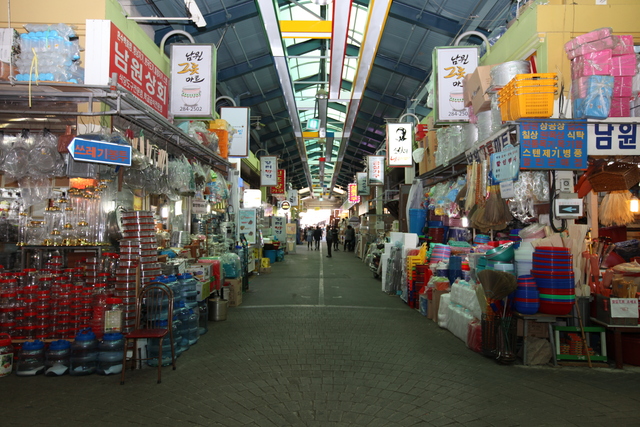
Jeonju: The Heart of Korean Traditional Culture
Jeonju is renowned as the birthplace of bibimbap and is considered the spiritual heart of Korean tradition. Its well-preserved Hanok Village is one of the largest and most beautiful in Korea.
Jeonju Hanok Village
- Traditional Houses: Wander through over 800 hanok houses, many of which are still inhabited or have been converted into guesthouses, restaurants, tea houses, and craft shops.
- Cultural Experiences: Visitors can rent hanbok, try traditional crafts, participate in tea ceremonies, and enjoy street performances.
- Food: Jeonju is a culinary paradise. It’s famous for its bibimbap (rice mixed with vegetables, meat, and chili paste), makgeolli (rice wine), and various street foods.
Other Attractions
- Gyeonggijeon Shrine: A historic site that enshrines the portrait of King Taejo, the founder of the Joseon Dynasty.
- Omokdae and Imokdae: Scenic viewpoints offering panoramic views of the Hanok Village.
- Jaman Mural Village: A charming neighborhood adorned with colorful murals, located near the Hanok Village.
Getting Around Jeonju: The Hanok Village is best explored on foot. For areas outside the village, buses and taxis are available.
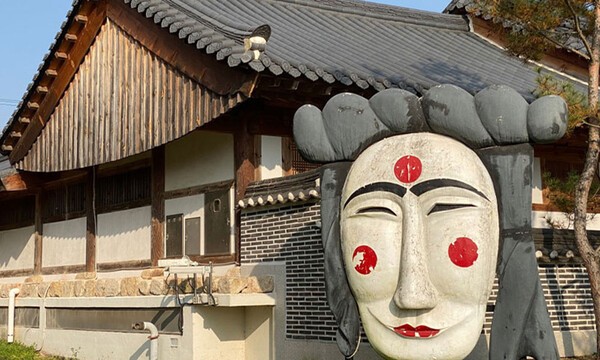
Andong: The Capital of Korean Spirit
Andong is often called the “capital of Korean spirit” and is known for preserving traditional Korean culture and Confucianism. It’s a city that offers a deep dive into Korea’s historical and spiritual heritage.
Hahoe Folk Village
- UNESCO World Heritage: Hahoe Folk Village is a remarkably preserved traditional village where residents still live in Joseon-era houses. It’s famous for its unique clan village structure and traditional mask dance performances (Hahoe Byeolsingut Talnori).
- Scenic Location: The village is situated on a bend of the Nakdong River, surrounded by picturesque natural scenery.
Other Attractions
- Dosan Seowon: A Confucian academy founded by the renowned scholar Yi Hwang (Toegye). It’s a beautiful example of traditional Korean architecture and a place for quiet contemplation.
- Andong Traditional Mask Museum: Showcases masks from Korea and around the world, with a focus on the Hahoe masks.
Getting Around Andong: Buses connect Andong city to Hahoe Folk Village and Dosan Seowon. Taxis are also an option.
Practical Tips for Foreign Travelers in Korea
To ensure a smooth and enjoyable trip, here are some practical tips:
Language
While many tourist areas, hotels, and major transportation hubs have English signage and staff, learning a few basic Korean phrases can greatly enhance your experience.
- “Annyeonghaseyo” (Hello)
- “Kamsahamnida” (Thank you)
- “Juseyo” (Please give me)
- “Eolmayeyo?” (How much is it?)
- “Hwajangshil eodi-yeyo?” (Where is the restroom?)
Translation apps like Papago or Google Translate are invaluable tools.
Transportation
- Korea Rail Pass (KR Pass): If you plan to travel extensively by train (KTX, SRT, ITX, Mugunghwa), consider purchasing a KR Pass. It offers unlimited travel on most trains for a set period.
- Subway: Korea’s subway systems in major cities are efficient, affordable, and easy to use. Purchase a T-Money card (a rechargeable transportation card) for seamless travel on subways and buses across the country.
- Buses: Intercity buses are a convenient and cost-effective way to travel between cities.
Connectivity
- Wi-Fi: Free Wi-Fi is widely available in public places, cafes, and accommodations.
- SIM Cards/Pocket Wi-Fi: For constant connectivity, consider purchasing a local SIM card or renting a pocket Wi-Fi device at the airport.
Currency and Payments
- Currency: The currency is the South Korean Won (KRW, ₩).
- Credit Cards: Credit cards are widely accepted in most stores, restaurants, and hotels. However, it’s always good to carry some cash for smaller vendors, street food stalls, or traditional markets.
- KakaoPay/Naver Pay: These mobile payment systems are very popular among Koreans, but foreigners may find it easier to use credit cards or cash.
Food
Korean cuisine is diverse and delicious. Don’t be afraid to try new dishes!
- Kimchi: Fermented cabbage, a staple in Korean meals.
- Bibimbap: Mixed rice with vegetables and meat.
- Bulgogi: Marinated grilled beef.
- Samgyeopsal: Grilled pork belly, a popular Korean BBQ dish.
- Street Food: From tteokbokki (spicy rice cakes) to hotteok (sweet pancakes), street food is a must-try.
Etiquette
- Bowing: A slight bow is a common greeting and sign of respect.
- Shoes: Remove your shoes before entering homes, temples, and some restaurants.
- Dining: Use chopsticks and a spoon. It’s polite to wait for elders to start eating first. When drinking alcohol, pour for others and let them pour for you.
Best Time to Visit
- Spring (April-May): Pleasant temperatures, cherry blossoms in bloom.
- Autumn (September-October): Clear skies, mild weather, beautiful fall foliage.
- Summer (June-August): Hot and humid, with a monsoon season. Good for beach destinations like Busan and Jeju.
- Winter (November-March): Cold, with snow in some regions. Ideal for winter sports and enjoying festive lights.
Conclusion: Your Korean Adventure Awaits
Korea offers an unparalleled travel experience, blending ancient traditions with futuristic innovation, breathtaking natural beauty with vibrant urban energy. Whether you’re drawn to the pulsating streets of Seoul, the coastal breezes of Busan, the historical depths of Gyeongju, the volcanic wonders of Jeju, the cultural richness of Jeonju, or the traditional spirit of Andong, there is a destination in Korea that will capture your heart.
By understanding the unique offerings of each region and preparing with practical tips, foreign travelers can embark on a journey that is both enriching and seamless. So, pack your bags, open your mind, and get ready to discover the magic of South Korea.
Key Takeaways for Your Trip:
- Embrace the Blend: Enjoy the juxtaposition of ancient palaces and modern skyscrapers, traditional markets and high-tech shopping malls.
- Master Transportation: Utilize the efficient public transport system (subway, KTX) and consider a T-Money card for convenience.
- Savor the Flavors: Be adventurous with Korean cuisine, from the ubiquitous bibimbap to delicious street food.
Your unforgettable Korean adventure begins now!
답글 남기기