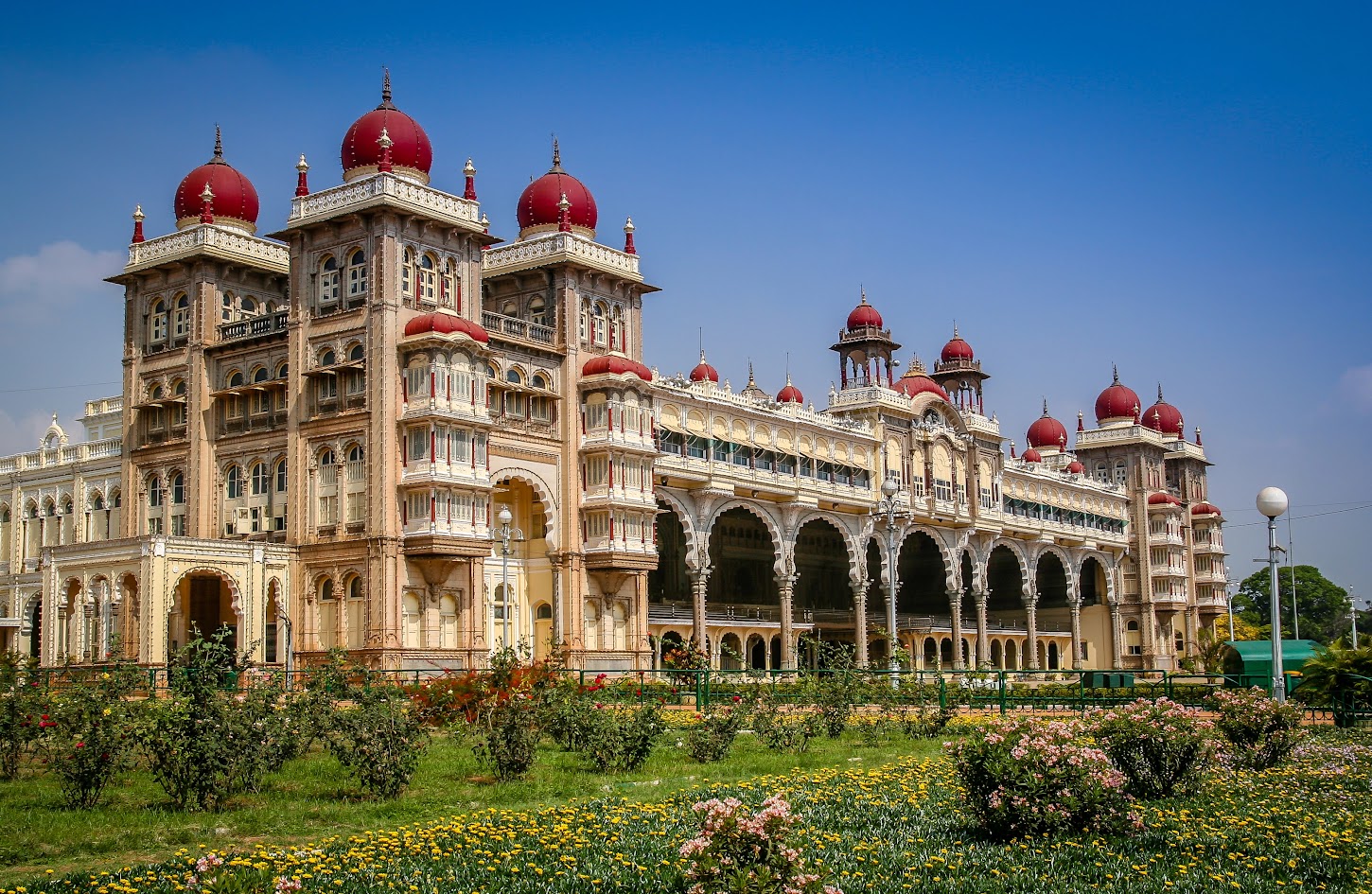
Unveiling India: A Tapestry of Experiences
India, a land of ancient traditions and vibrant modernity, offers an unparalleled travel experience. From the snow-capped Himalayas to the sun-kissed beaches of Goa, its diverse landscapes and rich cultural heritage beckon travelers from across the globe. Planning a trip to this subcontinent can feel overwhelming, but with the right guidance, it can be an incredibly rewarding adventure. This guide aims to simplify your journey by highlighting the most recommended travel destinations and providing essential tips to ensure a safe, enjoyable, and memorable experience.
Why India Captivates the World
India’s allure lies in its profound diversity. It’s a place where ancient philosophies meet bustling metropolises, where serene temples stand amidst chaotic markets, and where a kaleidoscope of languages, cuisines, and festivals paints a vivid picture. Whether you seek spiritual enlightenment, historical immersion, thrilling adventures, or simply a sensory overload, India delivers. The warmth of its people, the intricate artistry, and the sheer scale of its heritage make it a destination that stays with you long after you’ve departed.
Top Recommended Travel Destinations in India
Choosing where to go in India can be a delightful challenge. Here are some of the most highly recommended destinations, catering to a variety of interests:
1. The Golden Triangle: A Classic Introduction
The Golden Triangle, comprising Delhi, Agra, and Jaipur, is the quintessential Indian travel circuit, especially for first-time visitors. It offers a concentrated dose of India’s most iconic sights and experiences.
Delhi: The Heart of India
- What to See:
- Old Delhi: Explore the labyrinthine lanes of Chandni Chowk, visit the majestic Jama Masjid (India’s largest mosque), and marvel at the Mughal architecture of Humayun’s Tomb and the Red Fort.
- New Delhi: Discover Lutyens’ Delhi with its wide boulevards, visit the India Gate, Rashtrapati Bhavan (President’s House), and the serene Lotus Temple. Explore the historical ruins of Qutub Minar.
- Spiritual Sites: Humayun’s Tomb, Lotus Temple, Akshardham Temple, Gurudwara Bangla Sahib.
- Things to Do: Take a rickshaw ride in Old Delhi, shop for spices and textiles, savor street food, and experience the vibrant nightlife.
- Best Time to Visit: October to March.
Agra: Home of the Taj Mahal
- What to See:
- Taj Mahal: The ultimate symbol of love, this UNESCO World Heritage site is an architectural marvel. Visit at sunrise for the most magical experience.
- Agra Fort: A massive red sandstone fort that was once the main residence of the Mughal emperors.
- Itmad-ud-Daulah’s Tomb: Often called the “Baby Taj,” this exquisite tomb predates the Taj Mahal and is known for its intricate marble inlay work.
- Things to Do: Enjoy the views of the Taj Mahal from Mehtab Bagh across the Yamuna River, explore local handicrafts, and taste Petha, a sweet delicacy.
- Best Time to Visit: October to March.
Jaipur: The Pink City
- What to See:
- Amber Fort: A magnificent fort perched on a hilltop, accessible by elephant ride or jeep.
- Hawa Mahal (Palace of Winds): An iconic five-story facade with 953 windows, designed to allow royal women to observe street life unseen.
- City Palace: A sprawling complex that blends Rajput and Mughal architecture, still home to the royal family.
- Jantar Mantar: An astronomical observatory with a collection of architectural astronomical instruments.
- Things to Do: Shop for vibrant textiles, jewelry, and handicrafts in the bustling bazaars, enjoy a traditional Rajasthani meal, and witness a puppet show.
- Best Time to Visit: October to March.
2. Rajasthan: The Land of Kings
Beyond Jaipur, Rajasthan offers a deeper dive into India’s royal past and dramatic landscapes.
Udaipur: The City of Lakes
- What to See:
- City Palace: A magnificent complex overlooking Lake Pichola.
- Lake Pichola: Take a boat ride to Jag Mandir and Jag Niwas (Lake Palace).
- Saheliyon Ki Bari: A beautiful garden with fountains.
- Jagdish Temple: A large Hindu temple dedicated to Lord Vishnu.
- Things to Do: Enjoy a sunset boat cruise, explore the narrow streets, and savor the romantic ambiance.
- Best Time to Visit: September to March.
Jodhpur: The Blue City
- What to See:
- Mehrangarh Fort: An imposing fort rising majestically from a rocky hill, offering panoramic views of the blue-painted houses below.
- Jaswant Thada: A serene marble cenotaph.
- Umaid Bhawan Palace: A grand palace, part of which is a luxury hotel.
- Things to Do: Wander through the blue alleys, shop for leather goods and textiles, and experience the vibrant desert culture.
- Best Time to Visit: October to March.
Jaisalmer: The Golden City
- What to See:
- Jaisalmer Fort: A living fort where a significant portion of the population still resides within its walls.
- Patwon Ki Haveli: A cluster of five intricately carved havelis.
- Sam Sand Dunes: Experience a desert safari, camel ride, and a night under the stars in the Thar Desert.
- Things to Do: Take a camel safari into the desert, enjoy traditional Rajasthani folk music and dance, and explore the unique sandstone architecture.
- Best Time to Visit: October to March.
3. Kerala: God’s Own Country
Known for its serene backwaters, lush green landscapes, and Ayurvedic traditions, Kerala is a tropical paradise.
The Backwaters of Alleppey (Alappuzha)
- What to See: Vast network of interconnected canals, rivers, and lakes.
- Things to Do: Cruise on a traditional houseboat (kettuvallam) for a day or overnight, witness village life along the canals, enjoy fresh Keralan cuisine, and relax amidst tranquil scenery.
- Best Time to Visit: September to March.
Munnar: Tea Plantations and Hill Stations
- What to See: Rolling hills covered in emerald tea plantations, mist-covered mountains, and waterfalls.
- Things to Do: Visit tea museums, trek through the plantations, enjoy the cool climate, and spot wildlife in Eravikulam National Park.
- Best Time to Visit: September to March.
Kochi (Cochin): A Historic Port City
- What to See:
- Fort Kochi: Explore its colonial past with Chinese fishing nets, St. Francis Church, and Mattancherry Palace.
- Jewish Synagogue: One of the oldest active synagogues in the Commonwealth.
- Kathakali Performances: Witness the vibrant traditional dance-drama.
- Things to Do: Enjoy fresh seafood, explore art galleries, and soak in the multicultural heritage.
- Best Time to Visit: September to March.
4. Goa: Beaches and Relaxation
Goa is India’s smallest state, famous for its beautiful beaches, Portuguese heritage, and laid-back atmosphere.
- What to See:
- North Goa: Bustling beaches like Baga, Calangute, and Anjuna, known for nightlife and markets.
- South Goa: Quieter, pristine beaches like Palolem, Colva, and Agonda, ideal for relaxation.
- Old Goa: Visit historic churches like Basilica of Bom Jesus and Se Cathedral, remnants of Portuguese rule.
- Things to Do: Sunbathe, swim, indulge in water sports, enjoy fresh seafood and feni (local cashew spirit), explore spice plantations, and visit vibrant night markets.
- Best Time to Visit: November to February.
5. Varanasi: The Spiritual Heart
One of the world’s oldest continuously inhabited cities, Varanasi is a profoundly spiritual and intense experience on the banks of the sacred River Ganges.
- What to See:
- Ghats: The steps leading down to the Ganges, where pilgrims perform rituals, cremations, and bathing.
- Kashi Vishwanath Temple: One of the most sacred Hindu temples dedicated to Lord Shiva.
- Boat Rides: Experience the Ganga Aarti ceremony (fire ritual) from a boat at dusk.
- Things to Do: Witness the sunrise boat ride on the Ganges, observe the evening Aarti ceremony, explore the narrow alleyways, and experience the unique spiritual energy of the city.
- Best Time to Visit: October to March.
6. Rishikesh & Haridwar: Yoga and Spirituality
Located in the foothills of the Himalayas, Rishikesh is known as the “Yoga Capital of the World,” while Haridwar is a major Hindu pilgrimage site.
- What to See:
- Rishikesh: Ashrams, yoga centers, the Lakshman Jhula and Ram Jhula suspension bridges, the Beatles Ashram.
- Haridwar: Har Ki Pauri ghat, where the Ganges flows out of the mountains.
- Things to Do: Attend yoga and meditation retreats, participate in the Ganga Aarti in Haridwar, go white-water rafting, and enjoy the serene mountain atmosphere.
- Best Time to Visit: February to May and September to November.
7. Mumbai: The City of Dreams
India’s financial capital and entertainment hub, Mumbai is a city of contrasts, energy, and resilience.
- What to See:
- Gateway of India: An iconic arch monument overlooking the Arabian Sea.
- Marine Drive: A picturesque promenade.
- Elephanta Caves: Ancient rock-cut caves accessible by ferry.
- Chhatrapati Shivaji Maharaj Terminus (CSMT): A UNESCO World Heritage railway station.
- Dharavi Slum: Experience a guided tour to understand the community’s resilience.
- Things to Do: Explore Bollywood, shop at Colaba Causeway, visit street art galleries, enjoy street food like Vada Pav and Pav Bhaji, and experience the city’s vibrant nightlife.
- Best Time to Visit: October to March.
Essential Things to Watch Out For: Navigating India Safely and Respectfully
While India is an incredible destination, it’s wise to be prepared for certain aspects to ensure a smooth and safe journey.
1. Health and Hygiene
- Water: Never drink tap water. Always consume bottled water (ensure the seal is intact) or water purified by a reliable method. Avoid ice in drinks unless you are sure it’s made from purified water.
- Food: Be cautious with street food, especially in the initial days. Opt for freshly cooked, hot food from reputable vendors. Peel fruits yourself. If you have a sensitive stomach, stick to well-cooked meals and avoid raw salads.
- Vaccinations: Consult your doctor about recommended vaccinations and malaria precautions well in advance of your trip.
- Mosquitoes: Carry insect repellent, especially for evenings and early mornings, to protect against mosquito-borne diseases like dengue and malaria.
2. Safety and Security
- Scams: Be aware of common tourist scams, such as overly helpful strangers offering unsolicited tours, inflated taxi fares, or fake gem shops. Trust your instincts.
- Taxis and Transport: Use reputable taxi services or ride-sharing apps (like Ola or Uber, where available). Agree on fares beforehand or ensure the meter is used. For longer distances, consider pre-booked private cars or trains.
- Pickpocketing: Be vigilant in crowded areas like markets, train stations, and tourist attractions. Keep valuables secure and out of sight.
- Solo Female Travelers: While India is becoming safer, solo female travelers should exercise extra caution. Dress modestly, avoid walking alone at night in isolated areas, and be assertive if uncomfortable. Consider joining group tours or using female-friendly transport options.
- Respect Local Customs: Dress modestly, especially when visiting religious sites. Cover shoulders and knees. Remove shoes before entering temples and homes.
3. Cultural Etiquette
- Greetings: A “Namaste” (palms pressed together) is a respectful greeting.
- Left Hand: The left hand is traditionally considered unclean. Use your right hand for eating, giving, and receiving items.
- Bargaining: Bargaining is common in markets, but do so politely and with a smile. Decide on a price you’re willing to pay before starting.
- Photography: Always ask permission before taking photos of people, especially women and children, and inside religious sites.
- Public Displays of Affection: These are generally frowned upon.
4. Logistics and Planning
- Visa: Ensure you have the correct visa for India well in advance. The e-Visa system is generally efficient.
- Currency: The Indian Rupee (INR). ATMs are widely available in cities, but it’s good to carry some cash, especially for smaller towns and markets.
- Connectivity: SIM cards are readily available for tourists, offering affordable data and call rates. Wi-Fi is common in hotels and cafes.
- Patience: India can be chaotic and unpredictable. Embrace the unexpected, be patient, and try to go with the flow. A flexible attitude is key to enjoying the experience.
- Accommodation: India offers a wide range of accommodation, from luxury hotels and heritage properties to budget guesthouses and hostels. Book in advance, especially during peak season.
5. Environmental Considerations
- Plastic Waste: India faces significant challenges with plastic pollution. Try to minimize your use of single-use plastics. Carry a reusable water bottle and a cloth bag.
- Respect Wildlife: If visiting national parks or wildlife sanctuaries, follow park rules and maintain a safe distance from animals.
Making the Most of Your Indian Adventure
India is a destination that rewards the curious and the open-minded. By choosing destinations that align with your interests and being mindful of the practical aspects, you can create an unforgettable journey.
Planning Your Itinerary
- Duration: For a first-time visitor, a 2-3 week trip focusing on the Golden Triangle and perhaps Rajasthan or Kerala is recommended. Longer trips allow for more in-depth exploration.
- Pace: Don’t try to cram too much into one trip. India is vast, and travel between cities can be time-consuming. Allow for rest days and spontaneous discoveries.
- Internal Travel: India has an extensive railway network (book tickets well in advance), domestic flights for longer distances, and bus services.
Experiencing Indian Culture
- Food: Be adventurous! Indian cuisine is incredibly diverse and delicious. Try regional specialties.
- Festivals: If your travel dates coincide with a major festival (like Diwali or Holi), it can be a spectacular cultural experience, but be prepared for crowds and potential disruptions.
- Interactions: Engage with locals; many are welcoming and eager to share their culture.
Conclusion: Embrace the Incredible India
India is not just a destination; it’s an experience that engages all your senses. The recommended travel destinations offer a glimpse into its vastness and diversity, while the practical tips are designed to empower you to navigate it with confidence and respect. Prepare for a journey that will challenge, inspire, and ultimately, transform you.
답글 남기기